
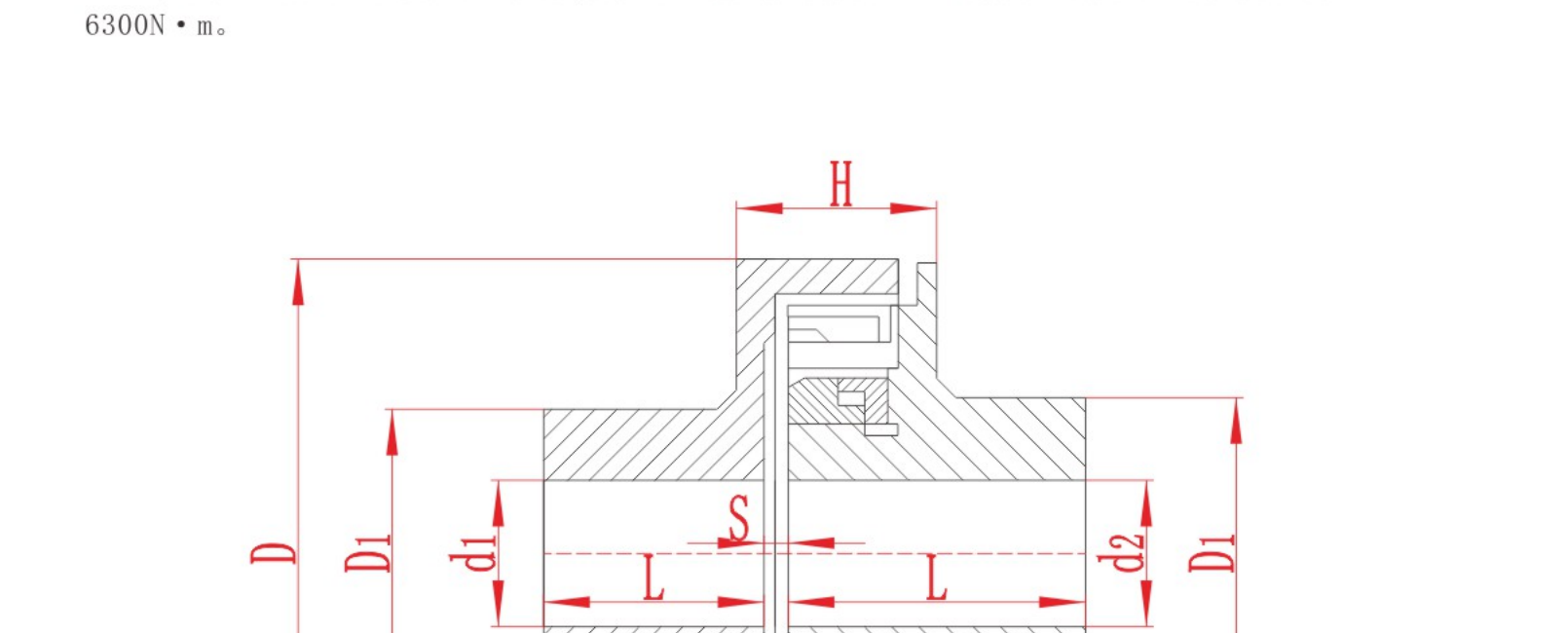
AMN Internal Friction Safety Coupling
AMN Internal Friction Safety Coupling with technical data and assembly drawing for preliminary selection.
View AMN Internal Friction Safety Coupling DetailsProduct family
Roller-chain, flange, cross-slider and friction safety coupling families. These products require close review of alignment, lubrication, guarding, slip-torque or rigid-connection conditions as applicable.
AMN Internal Friction Safety Coupling with technical data and assembly drawing for preliminary selection.
View AMN Internal Friction Safety Coupling Details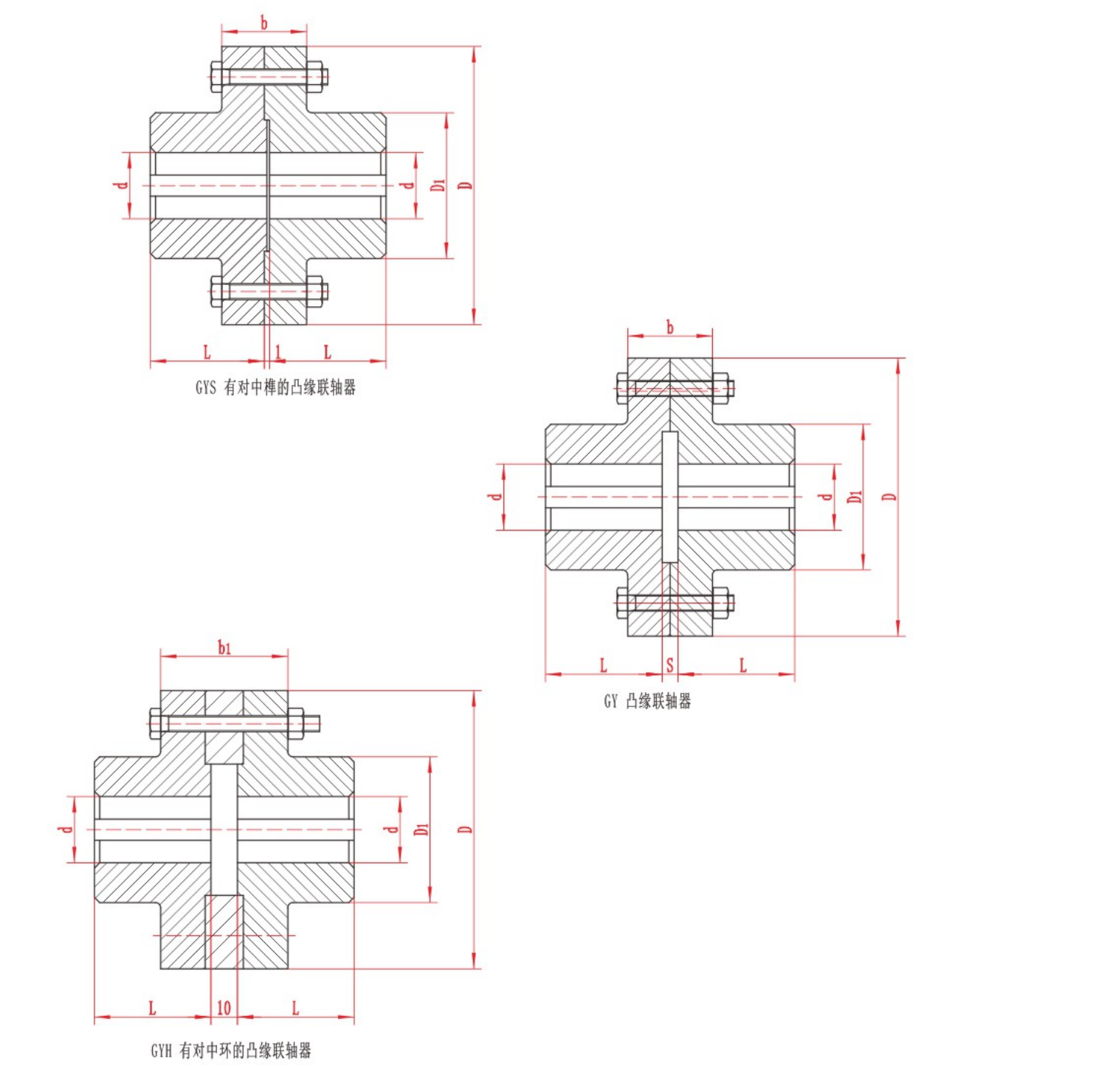
GY Flange Coupling with technical data and assembly drawing for preliminary selection.
View GY Flange Coupling Details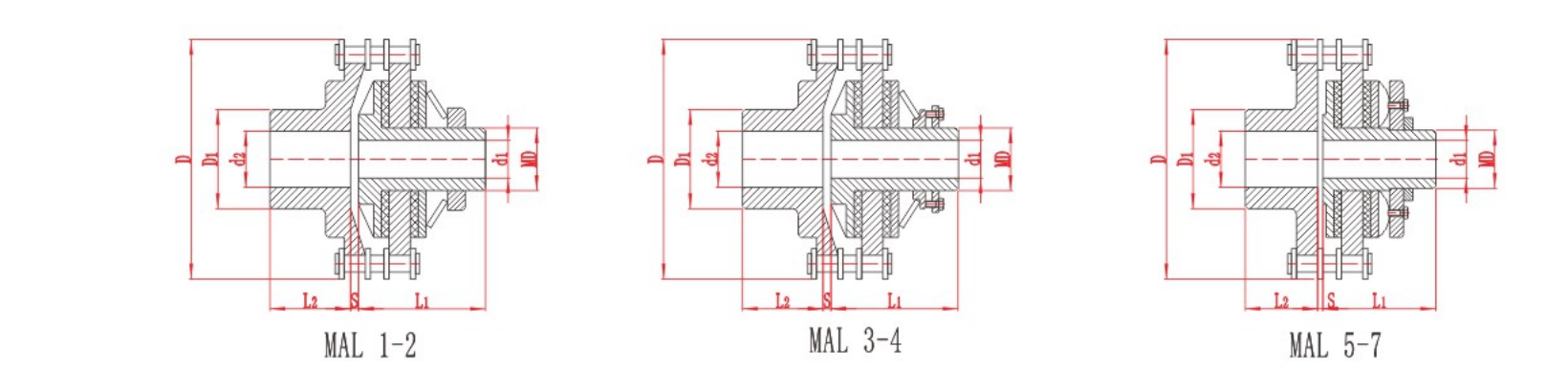
MAL Friction Safety Coupling with technical data and assembly drawing for preliminary selection.
View MAL Friction Safety Coupling Details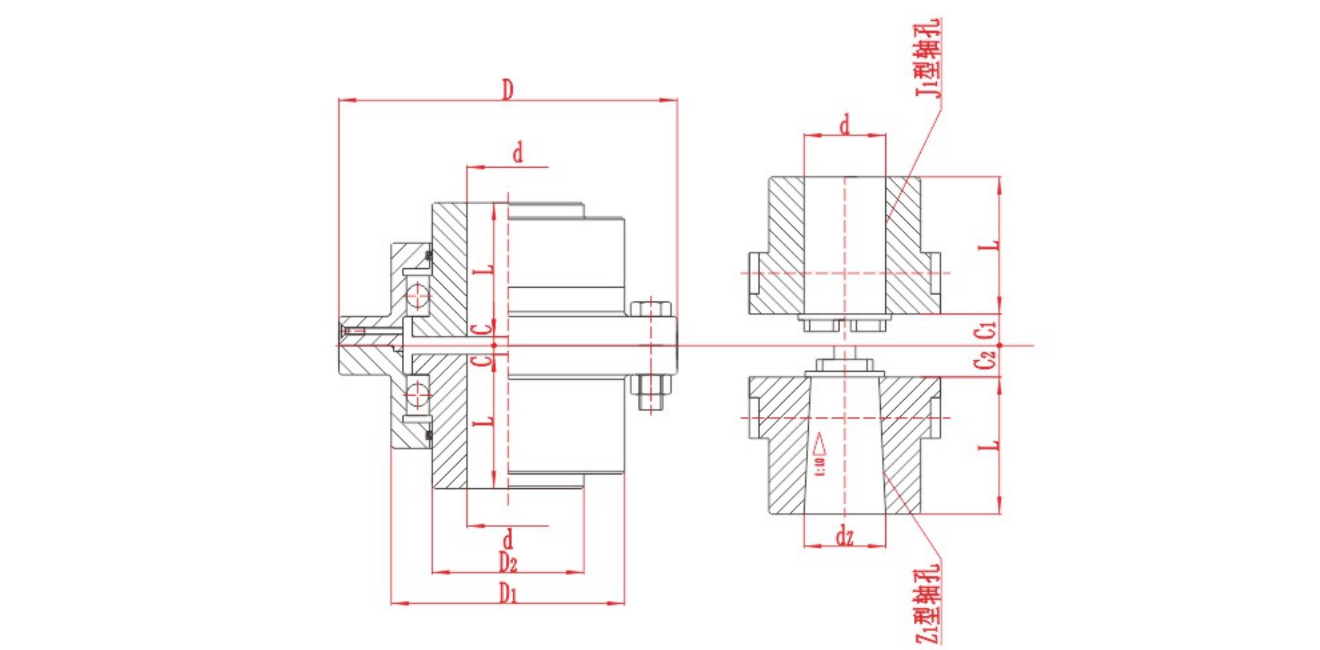
QL and QLZ Ball Couplings with technical data and assembly drawing for preliminary selection.
View QL and QLZ Ball Couplings Details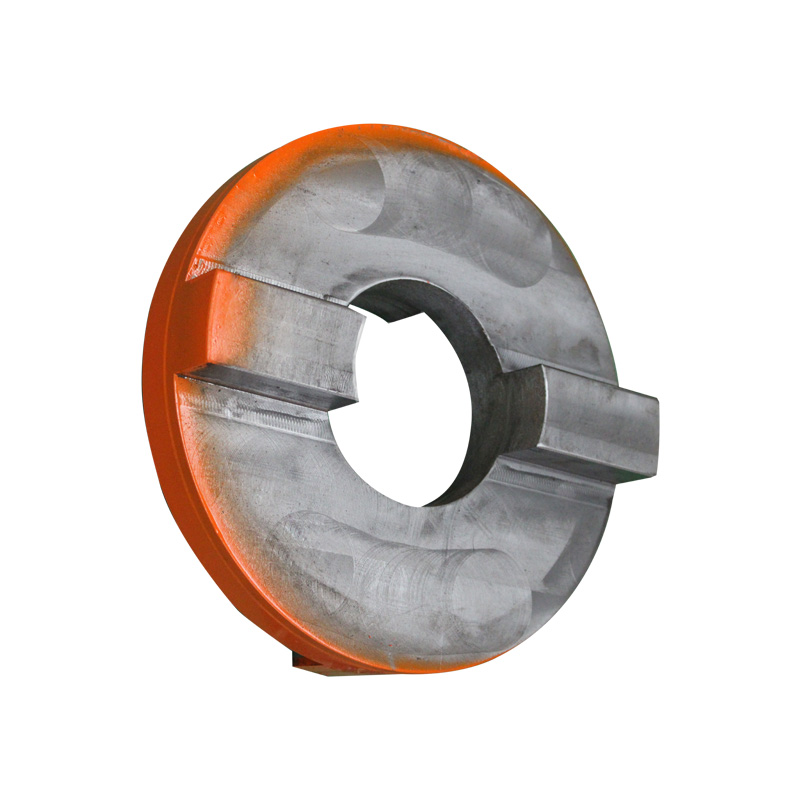
SL Cross-Slider Coupling with technical data and assembly drawing for preliminary selection.
View SL Cross-Slider Coupling Details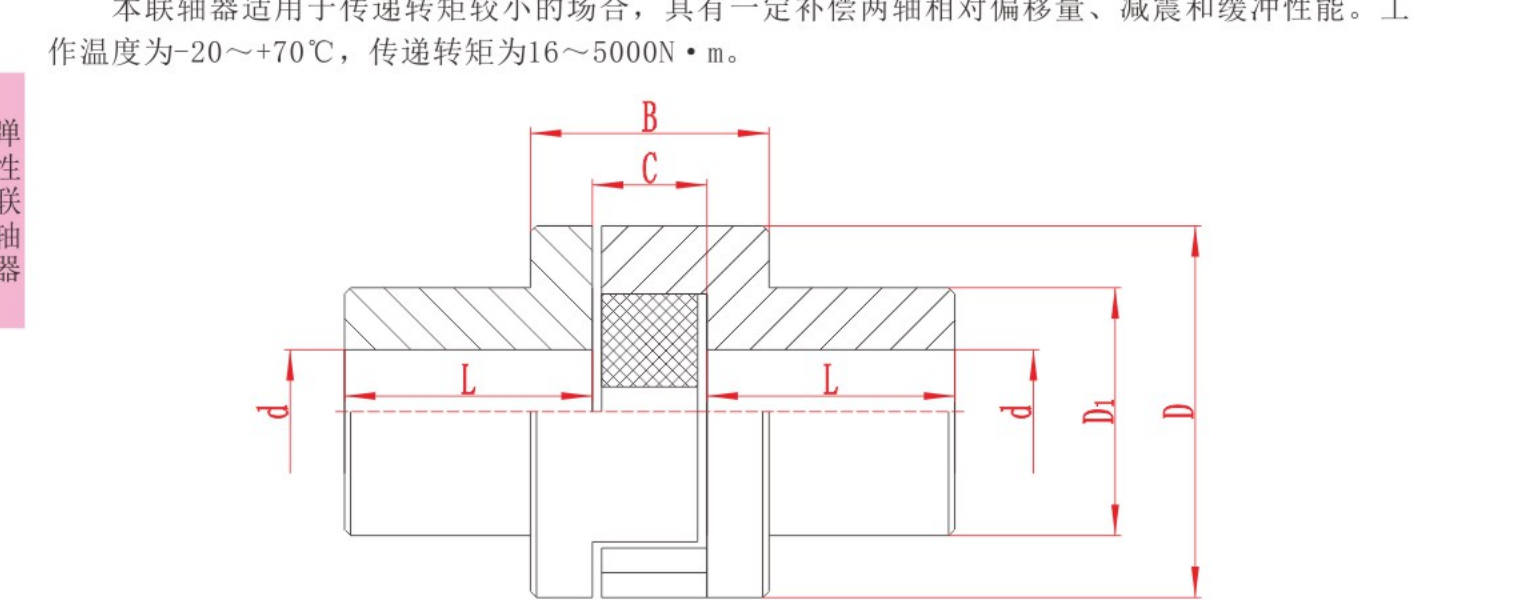
WH Slider Coupling with technical data and assembly drawing for preliminary selection.
View WH Slider Coupling Details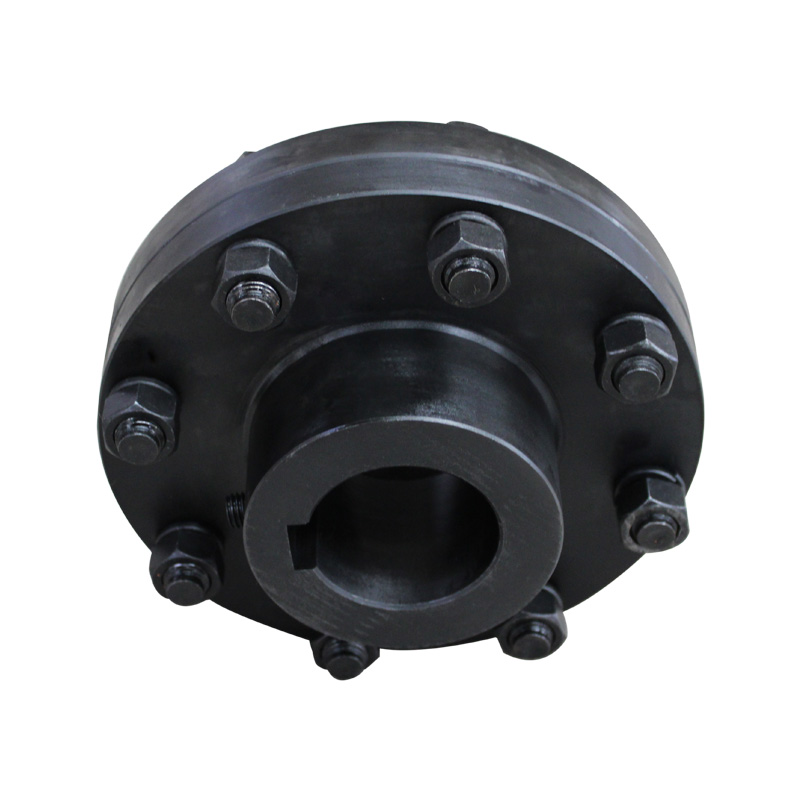
YL Flange Coupling with technical data and assembly drawing for preliminary selection.
View YL Flange Coupling Details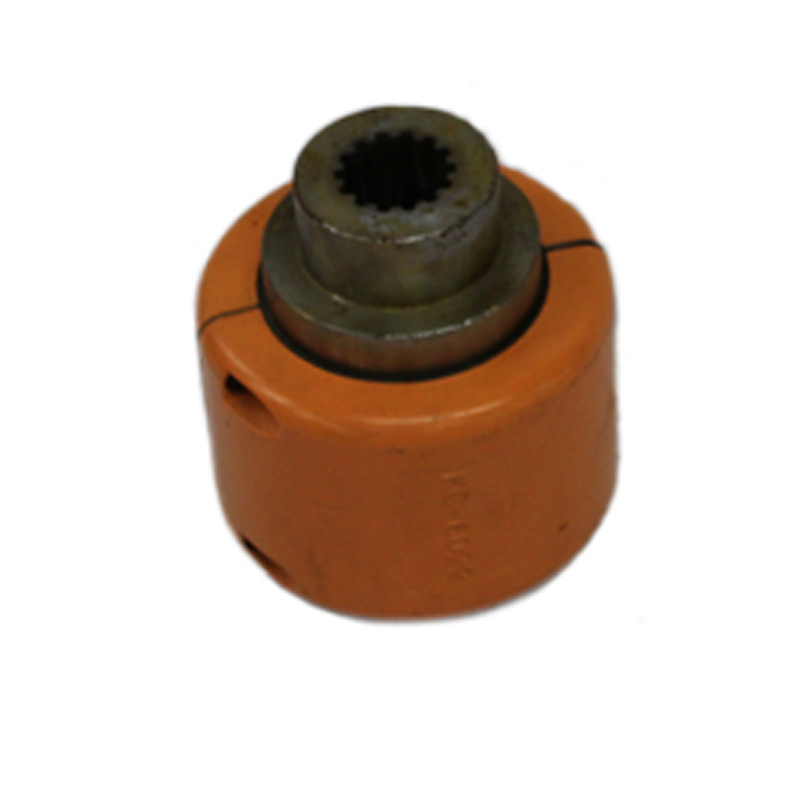
Roller chain coupling series for shaft connection and maintenance review.
View GL Roller Chain Coupling DetailsRigid and special coupling FAQ
These answers help identify chain, flange, slider and safety coupling structures for specific connection or overload duties.
Use a rigid or flange coupling when the shaft arrangement and alignment support a more fixed connection. Confirm alignment, shaft dimensions, installation access and guarding before choosing a rigid connection.
A safety coupling is intended to limit torque or protect a drive line during an overload event. The required release or slip setting, reset method, speed, connection details and guarding must be confirmed for the equipment.
A chain coupling uses a chain-and-sprocket connection, a slider coupling accommodates movement through a sliding element, and a safety coupling adds a defined overload-protection function. Selection depends on the required movement, maintenance and protection duty.
Provide torque, speed, shaft diameters, bore and keyway form, alignment condition, displacement, installation space, lubrication and guarding requirements, plus any required slip torque or brake interface.
Send torque, speed, shaft and installation data for a preliminary review.