
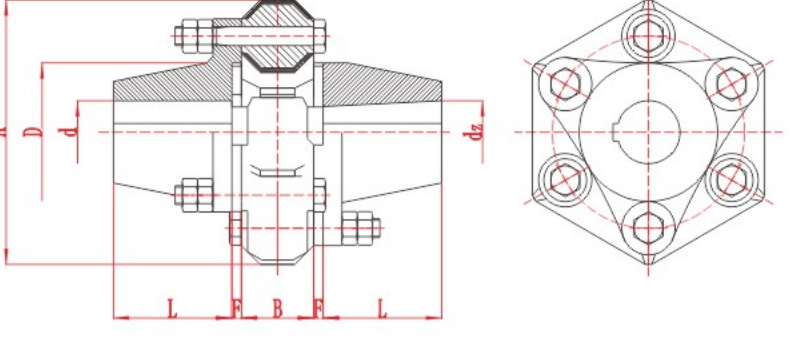
DL Multi-Jaw Coupling
DL Multi-Jaw Coupling with technical data and assembly drawing for preliminary selection.
View DL Multi-Jaw Coupling DetailsProduct family
Elastomer, pin, grid, diaphragm, tire, sleeve and related flexible-coupling families. Selection depends on torque, speed, stiffness, permitted displacement, temperature, maintenance and the actual drive duty.
DL Multi-Jaw Coupling with technical data and assembly drawing for preliminary selection.
View DL Multi-Jaw Coupling Details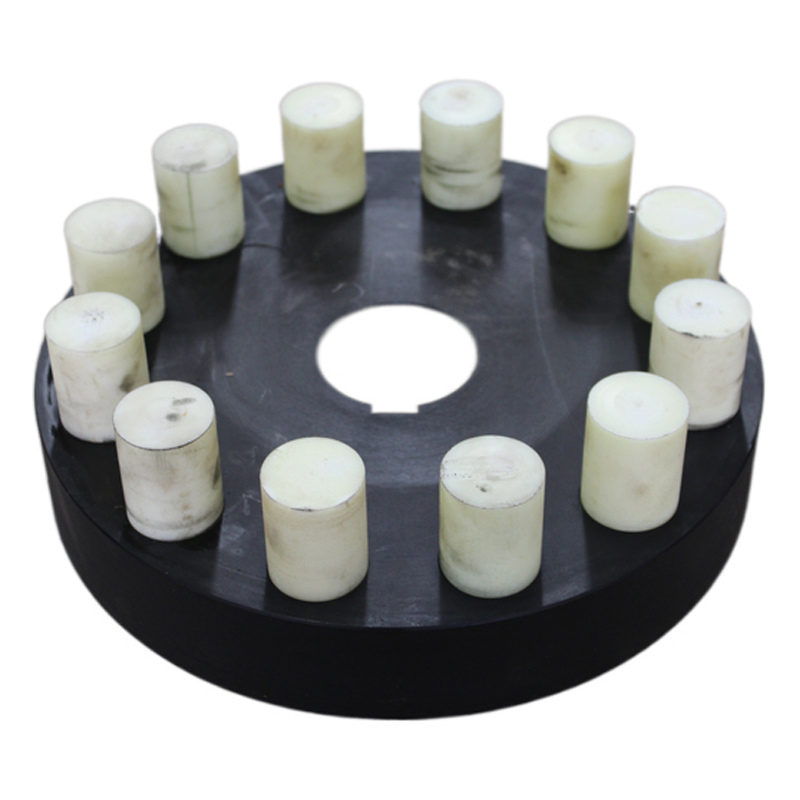
HL Flexible Pin Coupling with technical data and assembly drawing for preliminary selection.
View HL Flexible Pin Coupling Details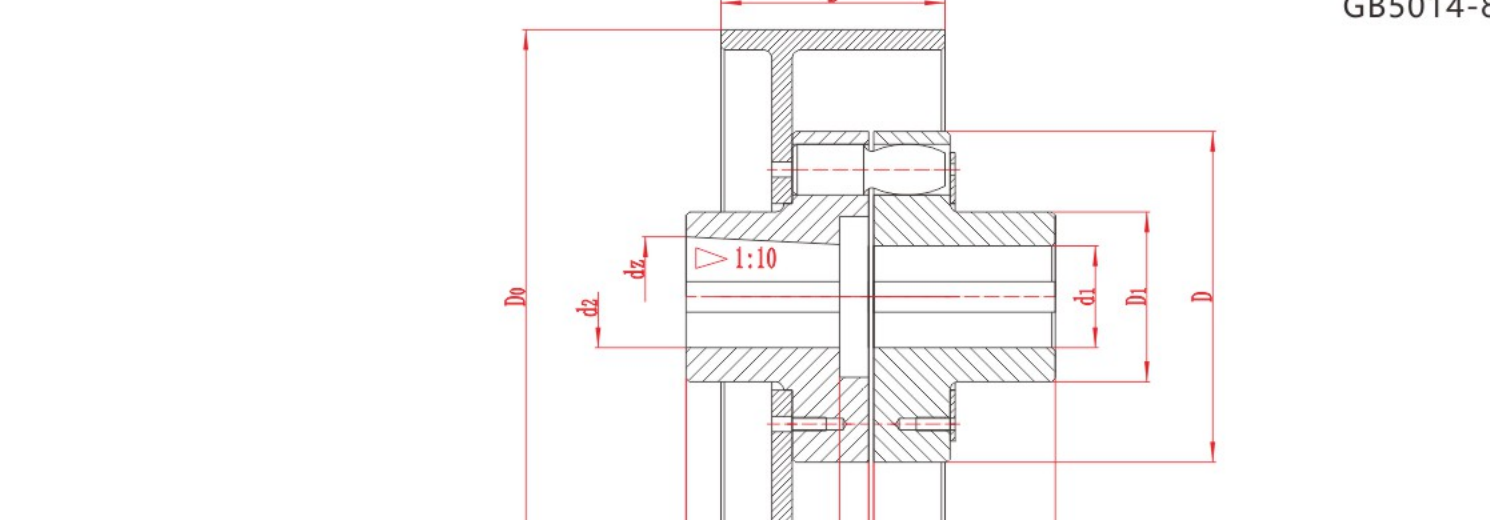
HLL Flexible Pin Coupling with Brake Drum with technical data and assembly drawing for preliminary selection.
View HLL Flexible Pin Coupling with Brake Drum Details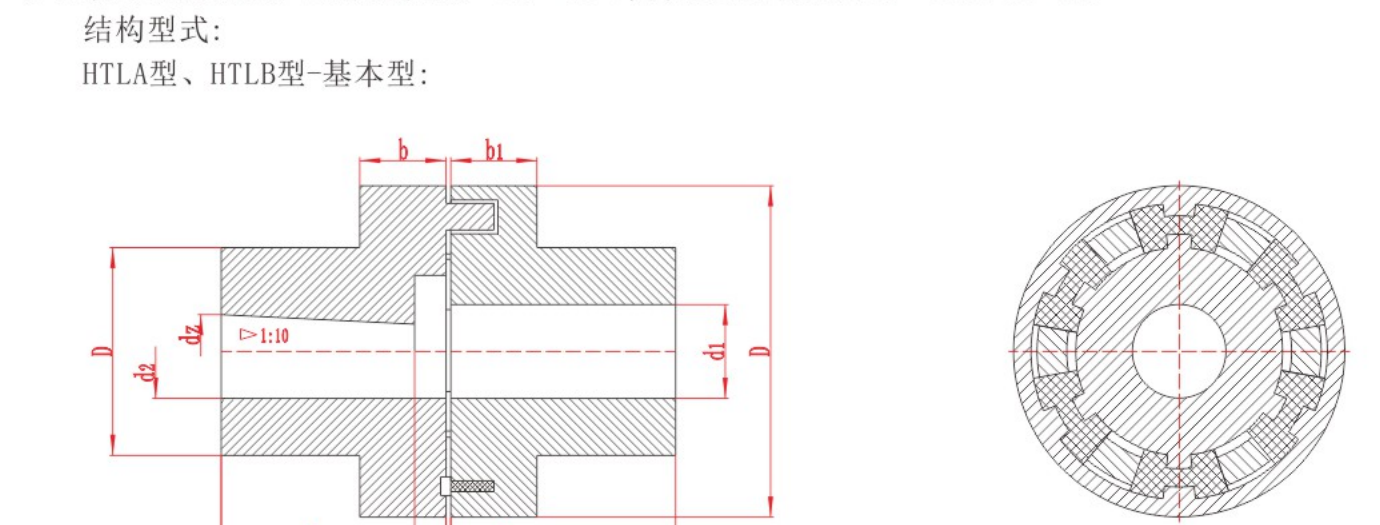
HTLA H-Type Flexible Coupling with technical data and assembly drawing for preliminary selection.
View HTLA H-Type Flexible Coupling Details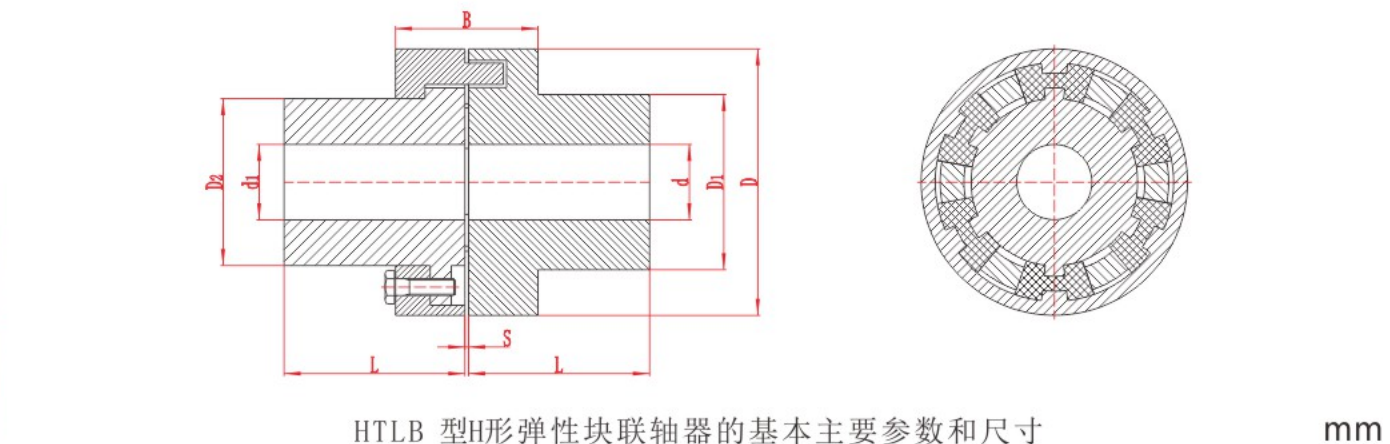
HTLB H-Type Flexible Block Coupling with technical data and assembly drawing for preliminary selection.
View HTLB H-Type Flexible Block Coupling Details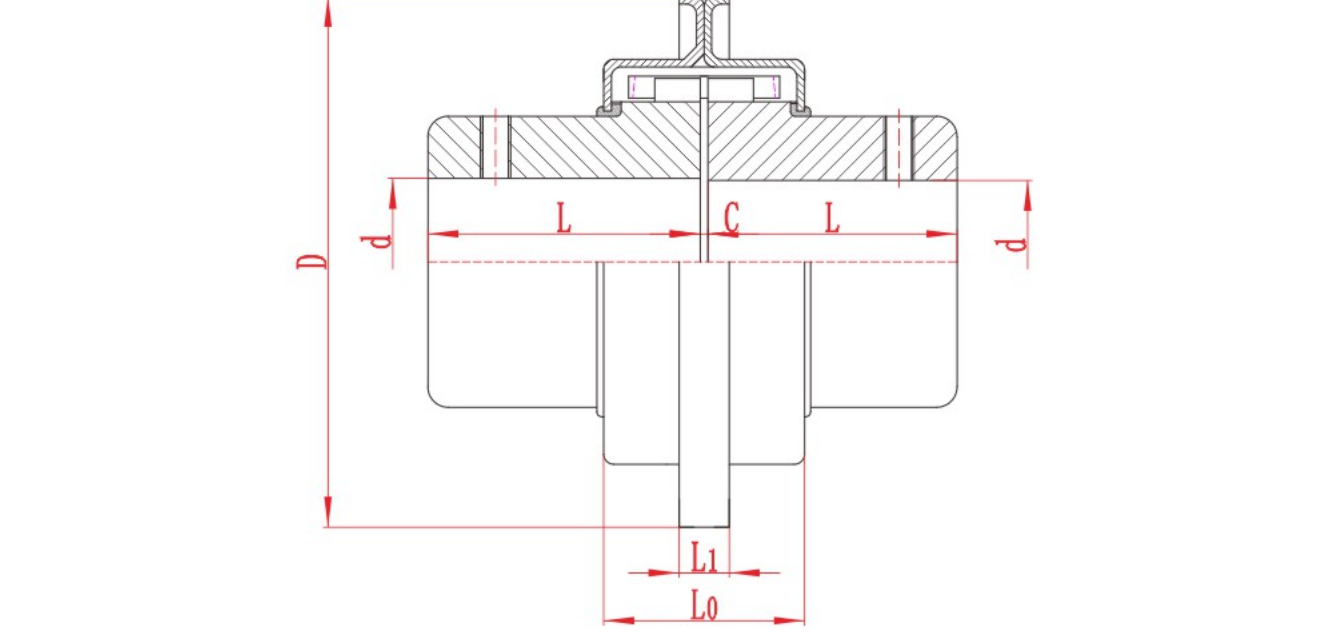
JSB Grid Coupling with technical data and assembly drawing for preliminary selection.
View JSB Grid Coupling Details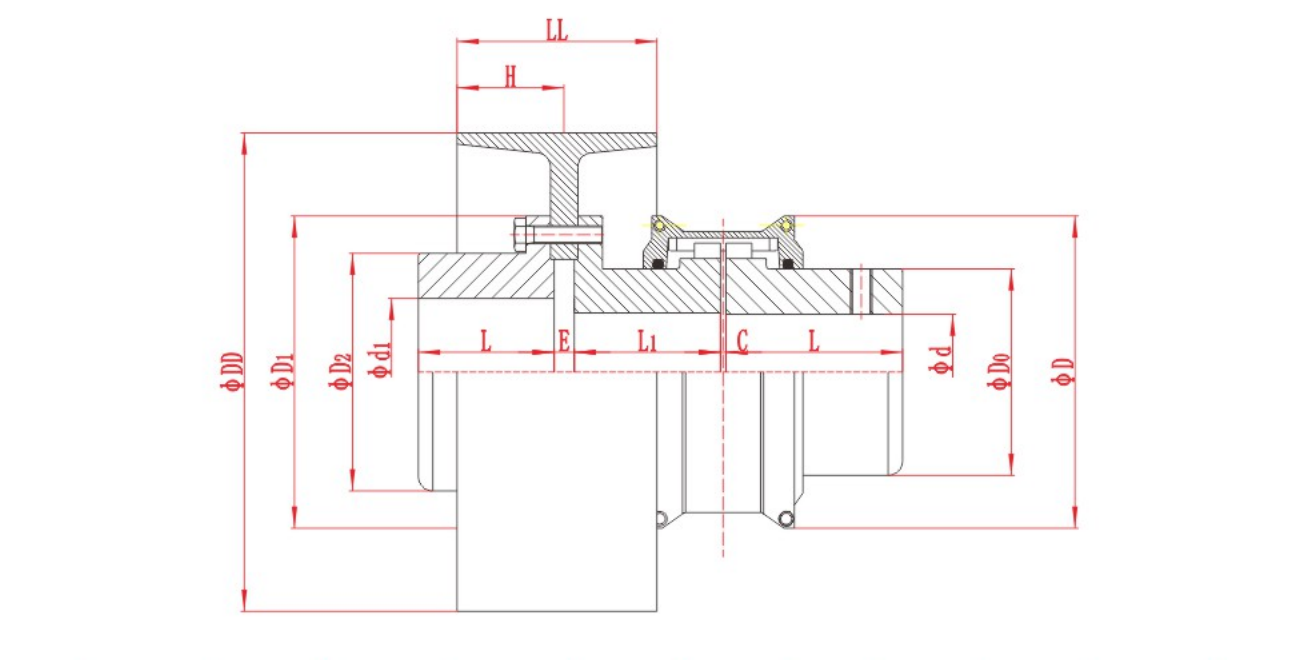
JSL Grid Coupling with Brake Drum with technical data and assembly drawing for preliminary selection.
View JSL Grid Coupling with Brake Drum Details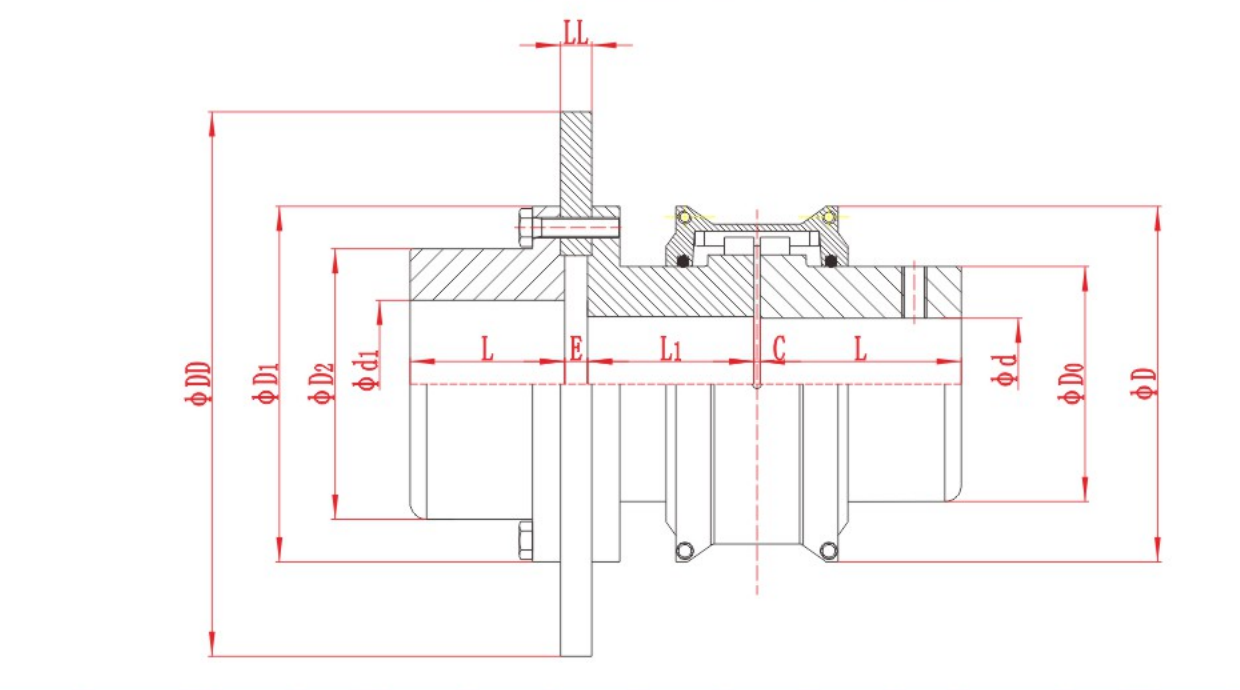
JSP Grid Coupling with Brake Disc with technical data and assembly drawing for preliminary selection.
View JSP Grid Coupling with Brake Disc Details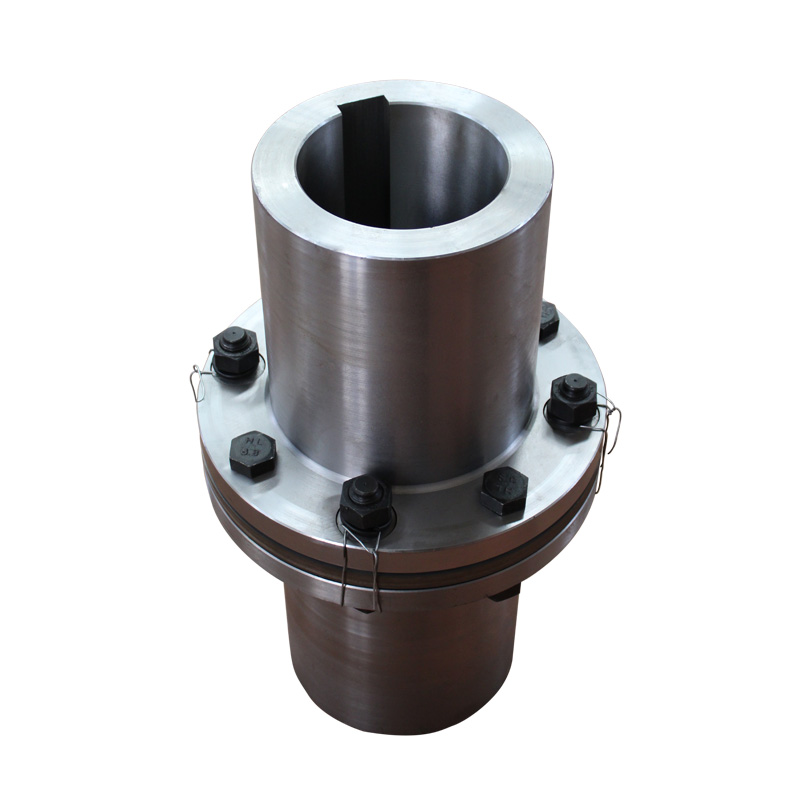
JZM Diaphragm Coupling for Heavy Machinery with technical data and assembly drawing for preliminary selection.
View JZM Diaphragm Coupling for Heavy Machinery Details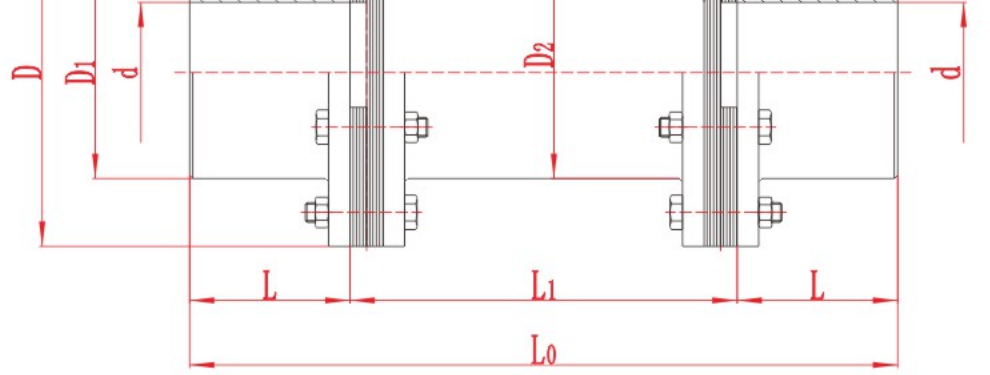
JZMJ Diaphragm Coupling for Heavy Machinery with technical data and assembly drawing for preliminary selection.
View JZMJ Diaphragm Coupling for Heavy Machinery Details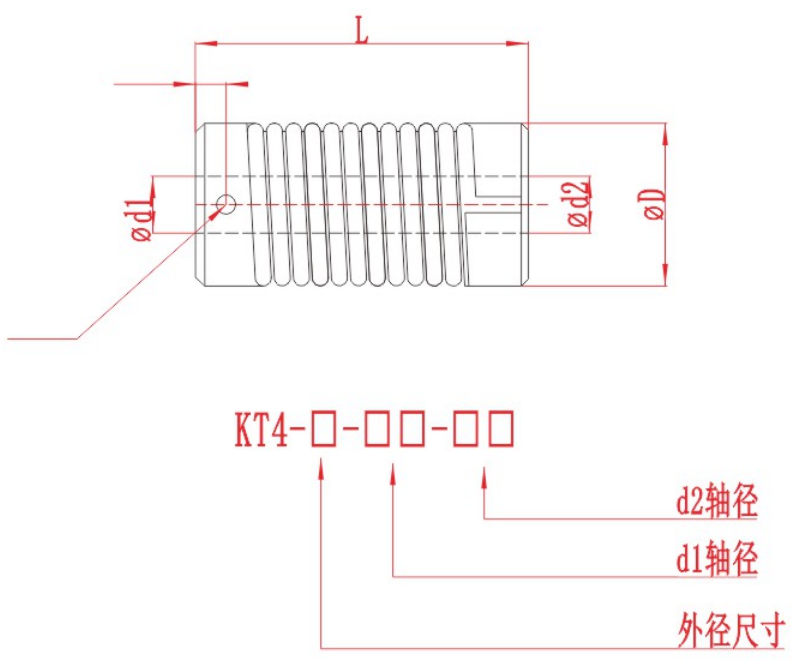
KT4 Steel Spring Coupling with technical data and assembly drawing for preliminary selection.
View KT4 Steel Spring Coupling Details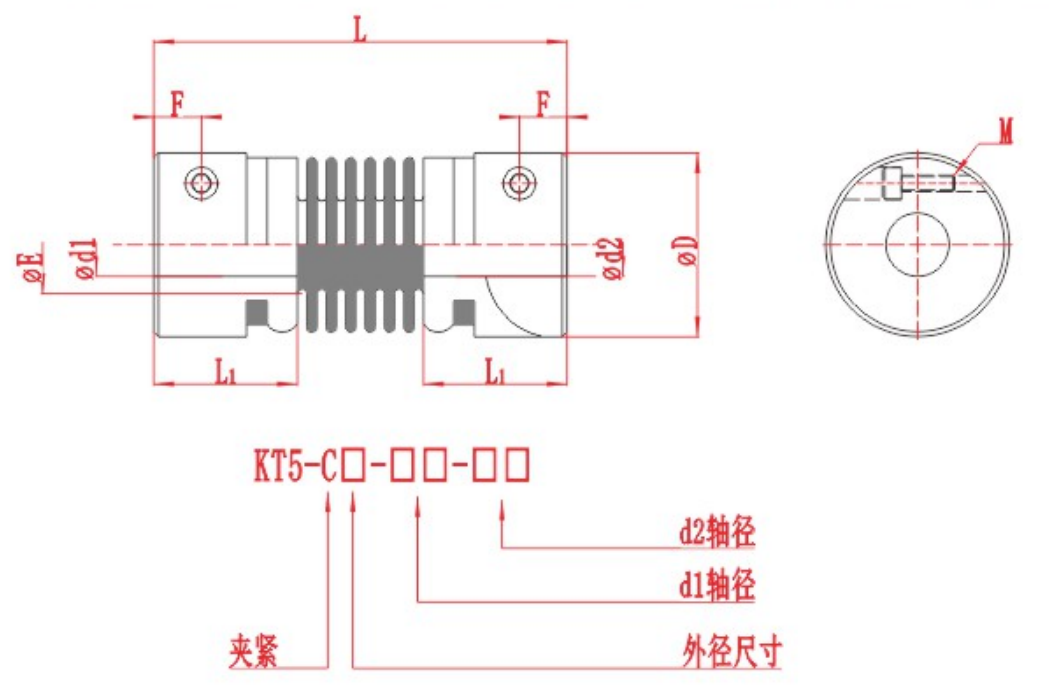
KT5 Clamping Bellows Coupling with technical data and assembly drawing for preliminary selection.
View KT5 Clamping Bellows Coupling DetailsFlexible coupling FAQ
These answers help distinguish flexible coupling structures by displacement, stiffness, environment and maintenance needs.
Choose a flexible coupling when the drive line needs controlled accommodation of angular, radial or axial displacement in addition to torque transmission. The acceptable displacement and torsional behavior must be checked for the selected structure.
They use different flexible elements and therefore have different stiffness, damping, displacement, speed and maintenance characteristics. Compare the actual duty, temperature, alignment, reversing and maintenance requirements instead of selecting by name alone.
Check whether the design uses a replaceable element, lubrication, inspection access or periodic tightening. Temperature, dust, corrosion, reversing duty and the available guarding space can change the practical maintenance requirement.
Send torque, speed, shaft diameters, bore and keyway form, displacement, starts and stops, shock load, temperature, environment, installation space and any brake-drum or brake-disc interface requirement.
Send torque, speed, shaft and installation data for a preliminary review.