
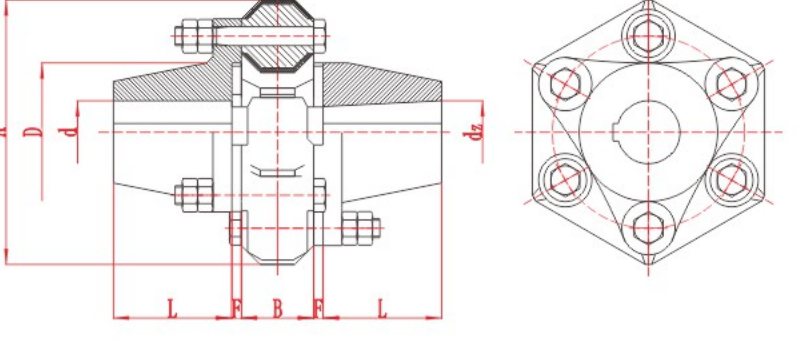
DL Multi-Jaw Coupling
DL Multi-Jaw Coupling with technical data and assembly drawing for preliminary selection.
View DL Multi-Jaw Coupling DetailsCurated technical topic
DL Multi-Jaw Coupling with technical data and assembly drawing for preliminary selection.
View DL Multi-Jaw Coupling Details
ML Jaw Coupling with technical data and assembly drawing for preliminary selection.
View ML Jaw Coupling Details
MLL Jaw Coupling with Brake Drum with technical data and assembly drawing for preliminary selection.
View MLL Jaw Coupling with Brake Drum Details
XL Star Elastomer Coupling with technical data and assembly drawing for preliminary selection.
View XL Star Elastomer Coupling Details
XLL Star Elastomer Coupling with Brake Drum with technical data and assembly drawing for preliminary selection.
View XLL Star Elastomer Coupling with Brake Drum Details
XLS Double-Flange Star Elastomer Coupling with technical data and assembly drawing for preliminary selection.
View XLS Double-Flange Star Elastomer Coupling Details
Choose a jaw coupling spider by matching the coupling series, size and insert profile first. Then confirm the specified material and hardness for the operating duty. The spider is the resilient insert between the two hubs. Shaft bore and coupling out

An elastomeric coupling connects two rotating shafts and transmits torque through a resilient element. Jaw couplings use a spider between the hubs, tyre couplings use a flexible ring, and some pin couplings use resilient bushes or sleeves. In industr

For an industrial pump replacement, start with the pump maker’s coupling specification and the installed drawing. Compare a pin bush coupling when the pump already has a flanged pin-and-bush arrangement you want to retain. A jaw coupling is a candida

Jaw couplings transmit torque through an elastomer between two metal hubs. Common descriptions include straight-jaw and curved-jaw profiles, solid and wrap-style spiders, and close-coupled or spacer assemblies. Each describes a different part of the
Topic FAQ
The elastomeric insert sits between the mating jaws and participates in torque transmission and flexibility. Its geometry and material are part of the coupling design. Identify the exact model before choosing an insert rather than selecting one by colour alone. For one jaw configuration, see the ML jaw coupling and confirm its matching insert.
No. These names can cover different jaw profiles, dimensions and elastomer specifications. Compare the selected DL, ML, XL or related variant with its own drawing. Similar terminology does not confirm a fit with a different series or brand. Compare the XL star elastomer coupling drawing with the actual jaw or plum-blossom series before considering an insert replacement.
Inspect for cracking, permanent deformation, wear, contamination and abnormal operating symptoms during planned maintenance. Follow the model's inspection criteria and investigate the cause of damage. Avoid assigning one replacement interval to every material and operating condition.
Provide torque, speed, start-stop duty, both bore and keyway requirements, installation gap and expected misalignment. State temperature and exposure conditions for the elastomer. If replacing an existing coupling, include its drawing and insert details. If a DL configuration is proposed, review the DL multi-jaw coupling technical data with the inquiry specification.
Send torque, speed, shaft and installation data for a preliminary review.