Technical Resources
Industrial Rubber and Elastomeric Coupling Types
An elastomeric coupling connects two rotating shafts and transmits torque through a resilient element. Jaw couplings use a spider between the hubs, tyre couplings use a flexible ring, and some pin couplings use resilient bushes or sleeves. In industr
An elastomeric coupling connects two rotating shafts and transmits torque through a resilient element. Jaw couplings use a spider between the hubs, tyre couplings use a flexible ring, and some pin couplings use resilient bushes or sleeves. In industrial purchasing, “rubber coupling” often refers to one of these designs. The term also appears in pipe fitting catalogues, so specify shaft coupling and give the series if you know it.
Elastomer describes a class of materials. A coupling element may be made from a rubber compound or another elastomer, such as a grade of polyurethane. Ask for the compound specified for that series and size. Check how it handles the load, temperature and fluids around the drive.
How do jaw, tyre and pin bush couplings differ?
| Design | How it carries torque | What to check on the drawing |
|---|---|---|
| Jaw coupling | The jaws on the two hubs load a matching elastomer spider. | Compare the jaw profile, spider shape and hub spacing. Check whether the element comes out radially or requires room to separate the hubs. |
| Tyre coupling | A flexible tyre-shaped element carries torque between the two sides of the coupling. | Check the tyre section, retaining arrangement, flange spacing and clearance around the element. |
| Pin bush or sleeve pin coupling | The pins and their resilient bushes or sleeves transfer load between the flanges. | Check the sleeve and pin dimensions, retention and access to withdraw the pins or sleeves. |
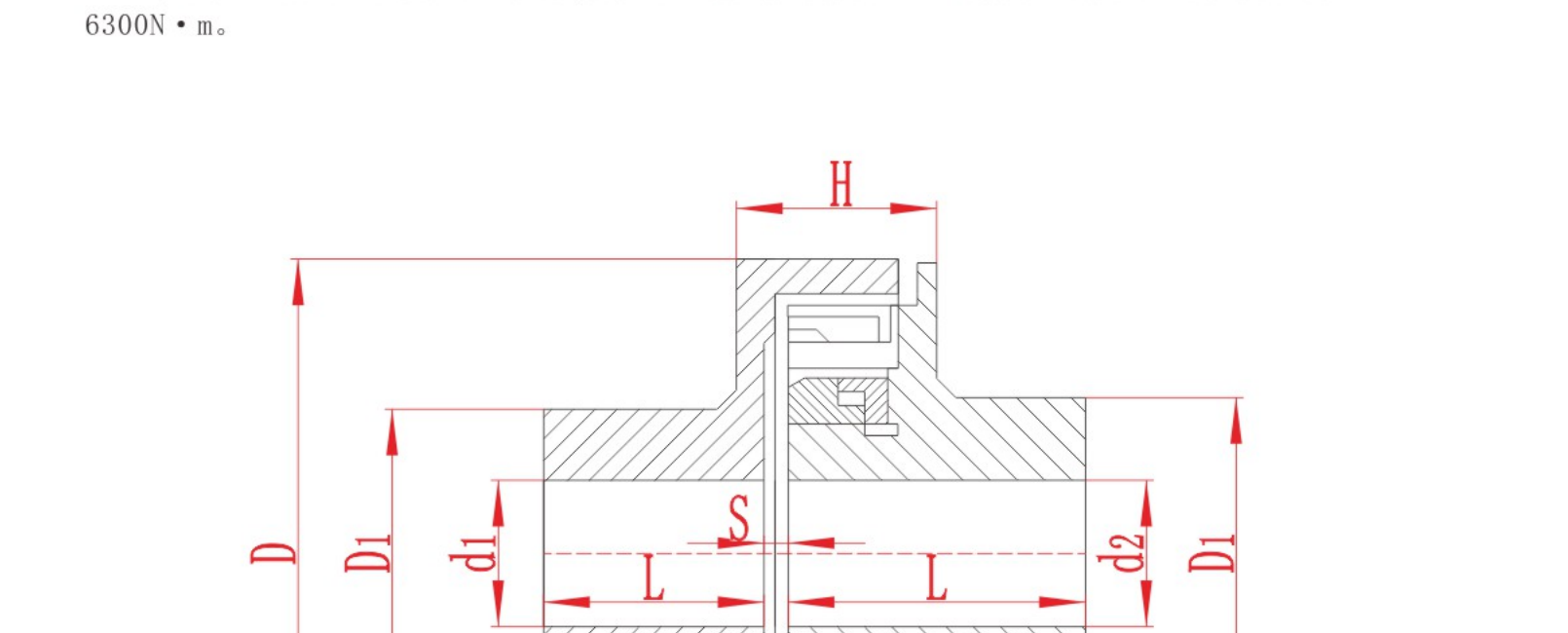
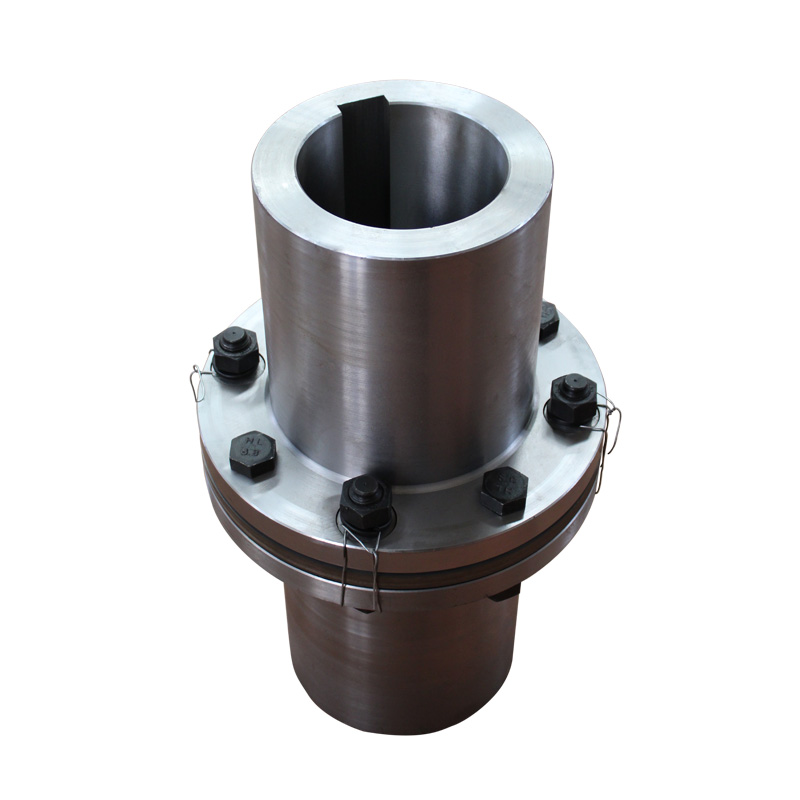
The Rongxing XL Star Elastomer Coupling shows the spider between the jaws. The Rongxing UL Tire Coupling uses a different element geometry. The Rongxing TL Flexible Sleeve Pin Coupling shows where the sleeves sit on the pins. Use each product drawing with its own model table.

How do you identify a flexible coupling element for replacement?
Start with the coupling series and size, then match the element to its drawing or part number. A shaft bore tells you how the hub fits the shaft. To match the element, you also need its profile and dimensions, and the specified grade for the duty.
Photograph the whole assembly and any markings on the hubs and element. Include a clear view of the interface that holds the element in place.
For a jaw spider, check the profile, lobe count and thickness. For a tyre, check the section and the way the edges are held. For a pin bush, measure the inside diameter, outside diameter and length in mm, and identify the mating pin.
Compare your measurements with the drawing. A worn or swollen element may have changed shape. Ask the supplier to confirm the part number, compound and specified hardness for your model. Colour alone is an unreliable match across product ranges.
Inspect the mating hubs, retaining parts and pins before ordering. If those parts are damaged, ask whether they can be replaced separately or whether the assembly needs replacement.

What should you check when selecting a complete coupling?
For a motor driving a pump, use the transmitted torque and speed at the coupling, including starting or peak duty where relevant. Give the supplier the shaft bores and keyways, the available installation space and the expected angular, parallel and axial movement. Ask for the permissible combination of movement, torque and speed for the selected size. Align the machines to the equipment makers’ requirements.
Check the temperature at the coupling and any exposure to oil or process fluids. Check how the spare comes out before choosing the design. A guard or bearing housing can leave too little room to withdraw an element. For a pump installation, see the pin bush and jaw coupling comparison.
What should a buyer in India ask a coupling supplier to confirm?
Specify whether you need a complete coupling or only the flexible element. Include the machine type, model markings, drawings or photographs, operating speed in r/min and transmitted torque in N·m if known. For a replacement, ask for the exact element reference and written confirmation of fit. For a complete assembly, ask for the proposed model and bore details, then confirm the availability of spares and delivery terms for your location.
Use the Rongxing flexible coupling range to find the relevant product family and drawing.