
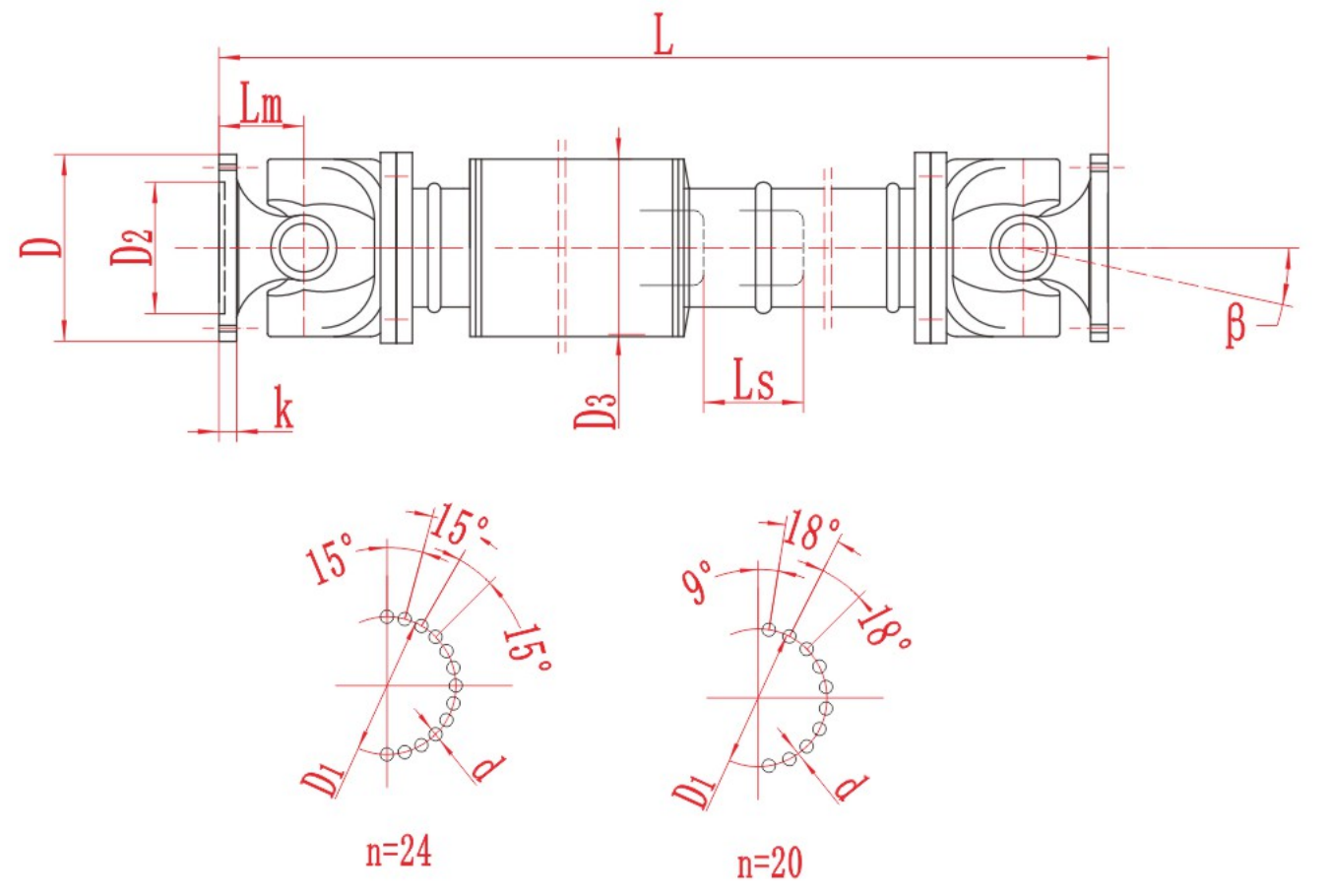
Large SWC-BF Telescopic Flanged Cardan Shaft
Large SWC-BF Telescopic Flanged Cardan Shaft with technical data and assembly drawing for preliminary selection.
View Large SWC-BF Telescopic Flanged Cardan Shaft DetailsCurated technical topic
Large SWC-BF Telescopic Flanged Cardan Shaft with technical data and assembly drawing for preliminary selection.
View Large SWC-BF Telescopic Flanged Cardan Shaft Details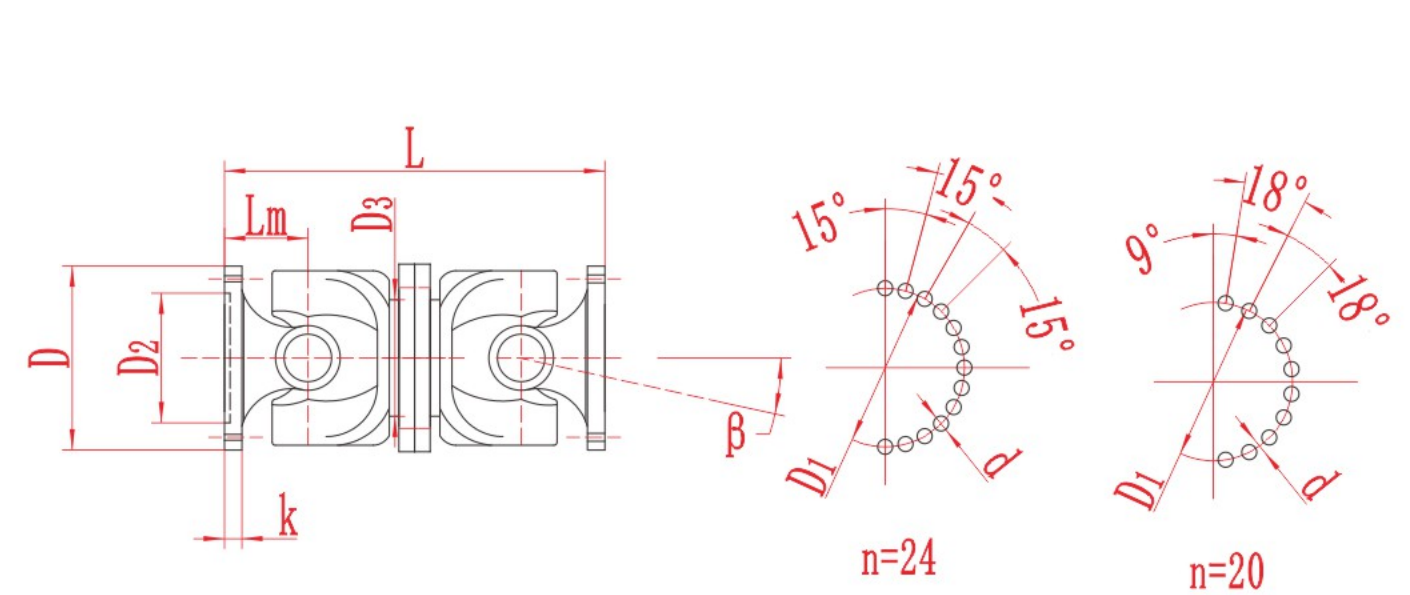
Large SWC-WD Non-Telescopic Short Cardan Shaft with technical data and assembly drawing for preliminary selection.
View Large SWC-WD Non-Telescopic Short Cardan Shaft Details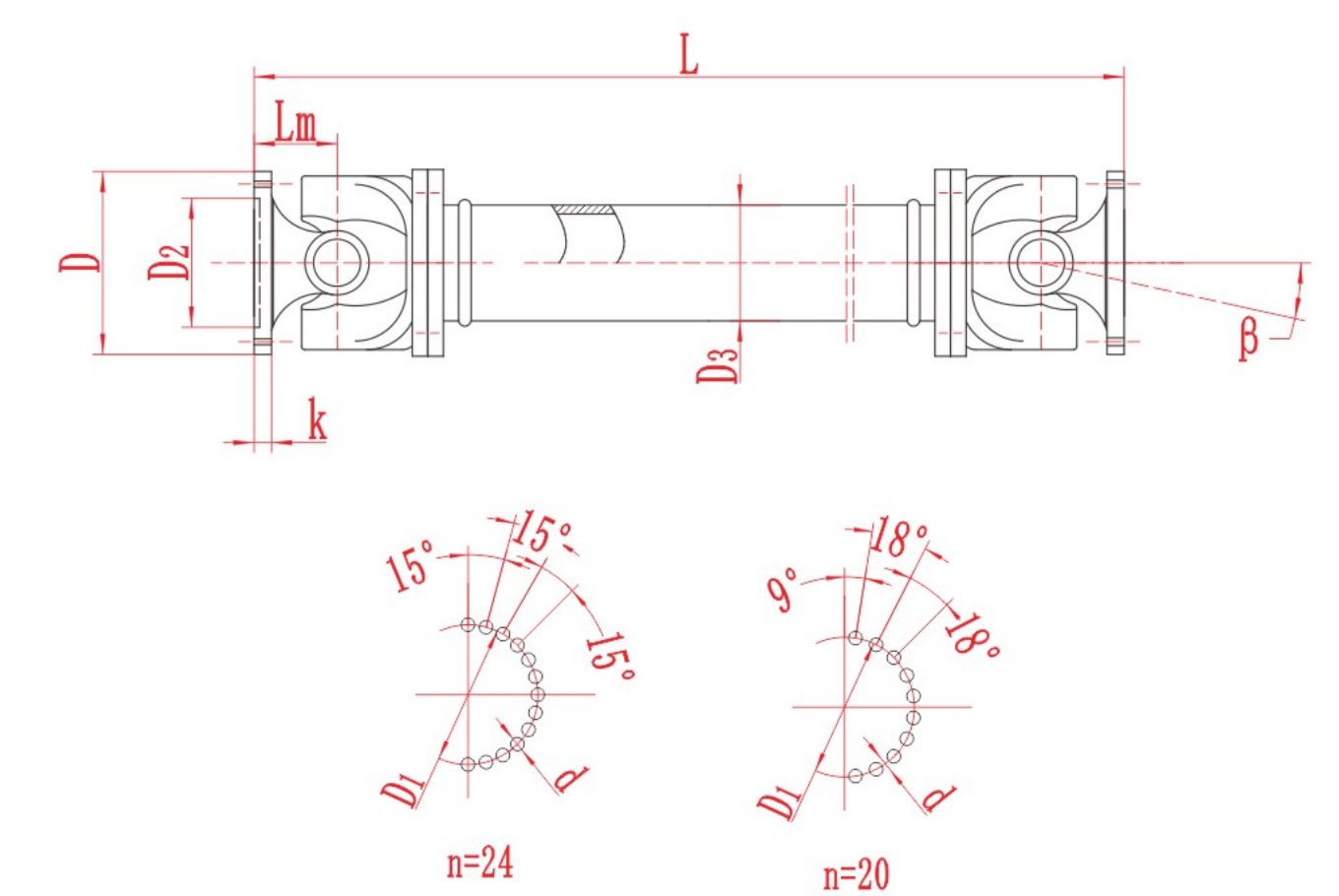
Large SWC-WF Non-Telescopic Flanged Cardan Shaft with technical data and assembly drawing for preliminary selection.
View Large SWC-WF Non-Telescopic Flanged Cardan Shaft Details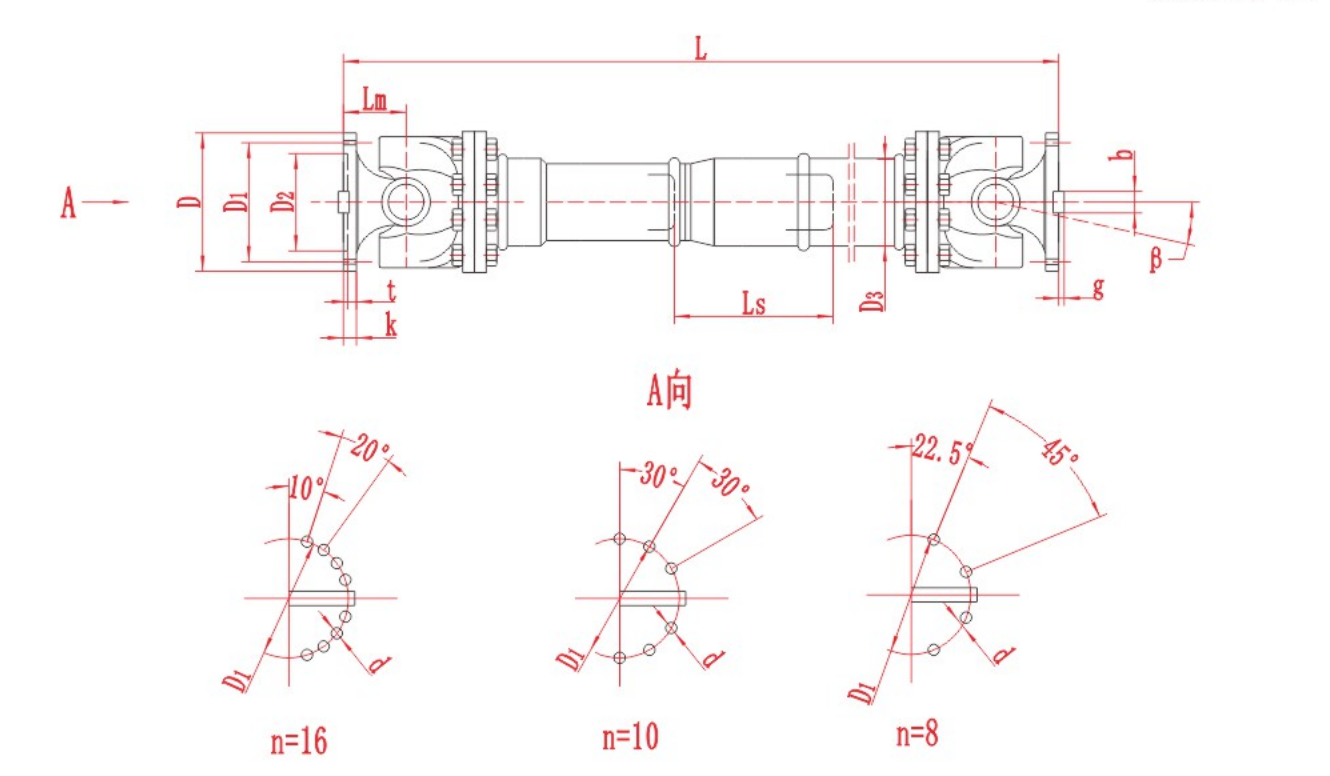
SWC-BF Telescopic Flanged Cardan Shaft with technical data and assembly drawing for preliminary selection.
View SWC-BF Telescopic Flanged Cardan Shaft Details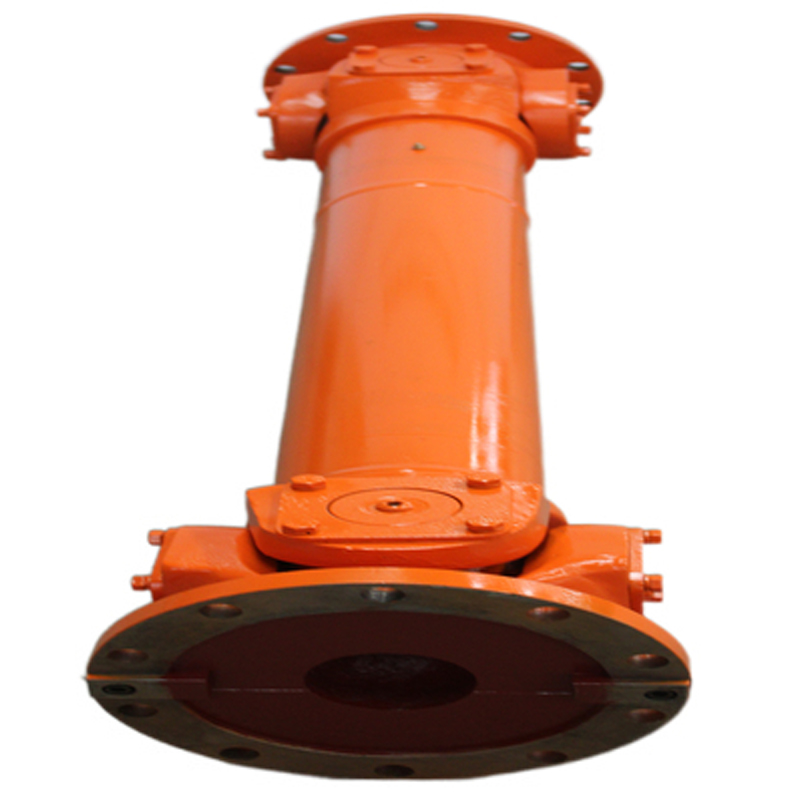
SWC-CH Long Telescopic Welded Cardan Shaft with technical data and assembly drawing for preliminary selection.
View SWC-CH Long Telescopic Welded Cardan Shaft Details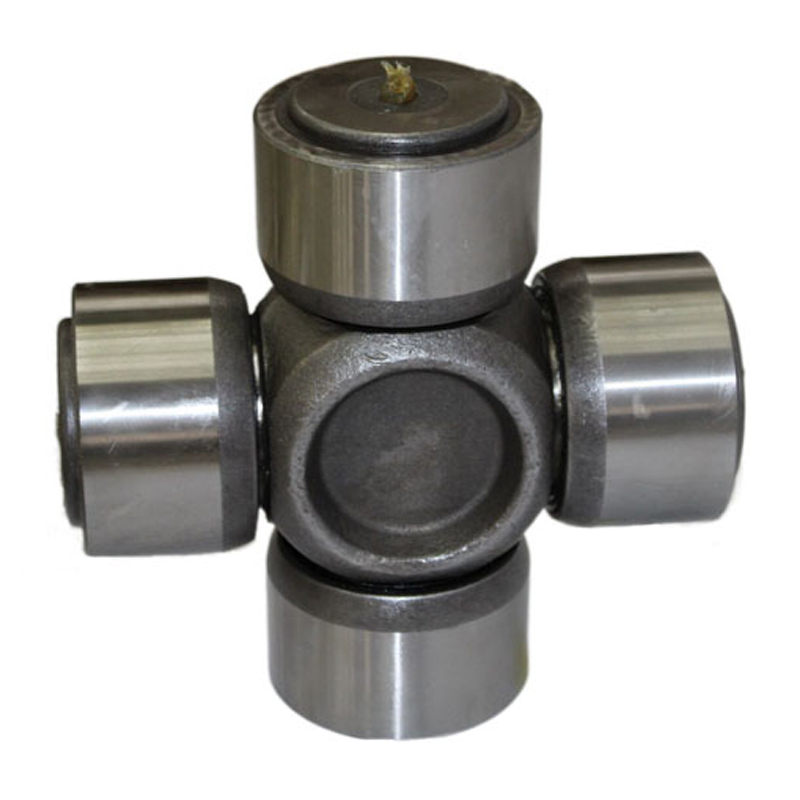
SWC-DH Short Telescopic Welded Cardan Shaft with technical data and assembly drawing for preliminary selection.
View SWC-DH Short Telescopic Welded Cardan Shaft Details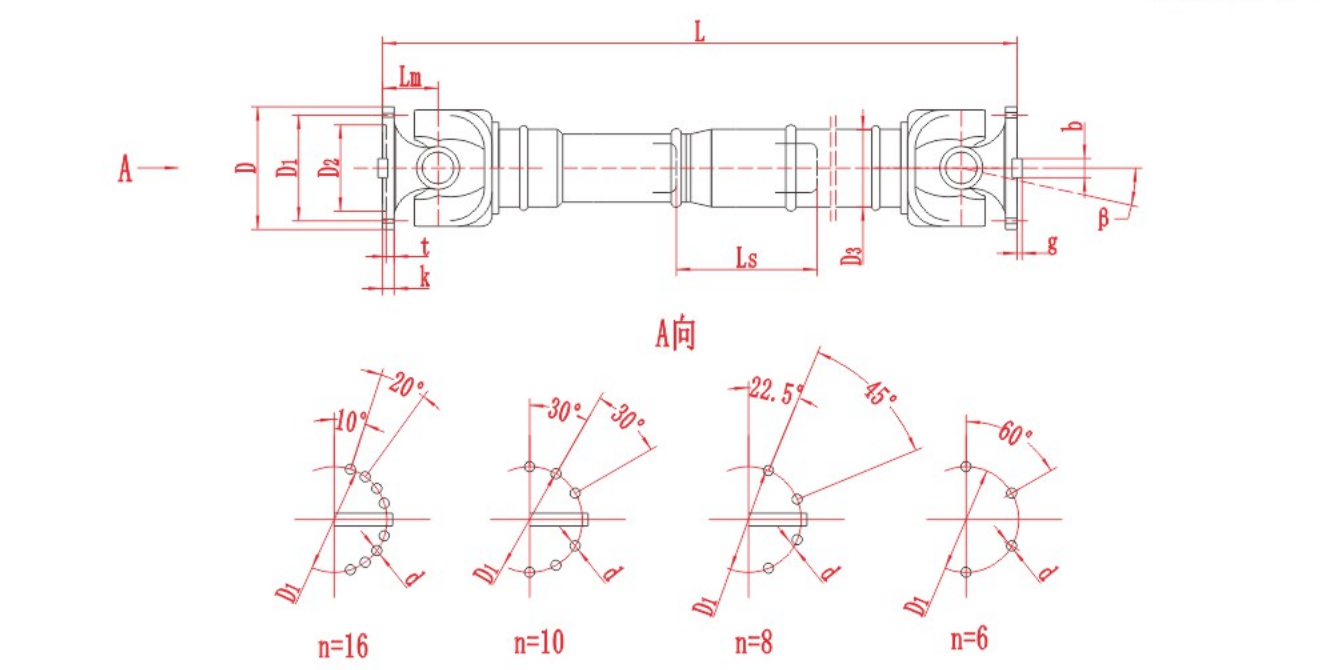
Compare telescopic and fixed-length cardan shafts for steel mills in India. Check working travel, roll changes, installation space and maintenance.
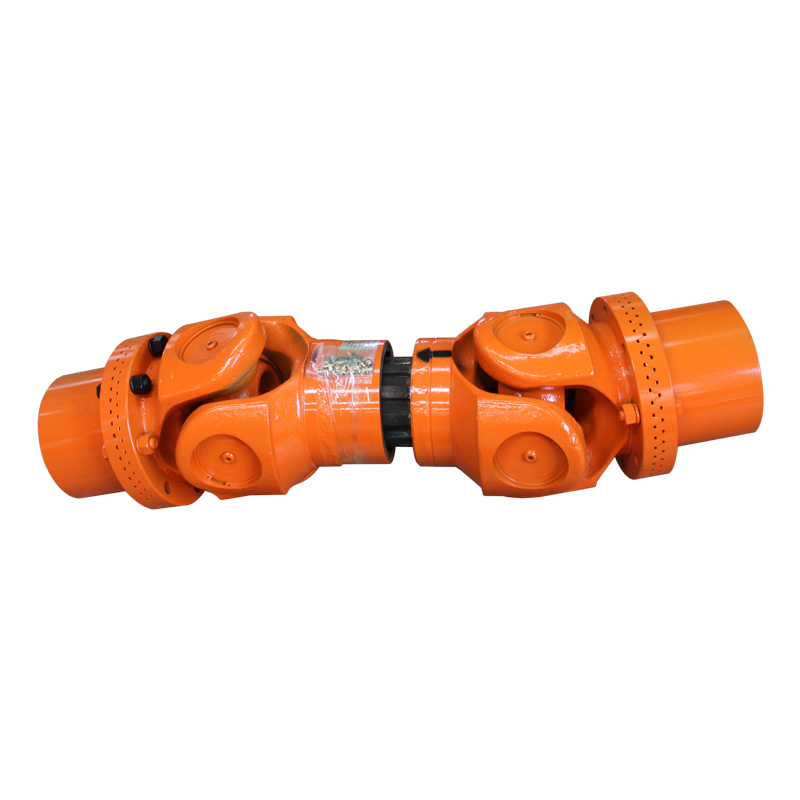
Select an industrial cardan shaft for a rolling mill in India: assess peak torque, speed, joint angles, telescopic travel, flange fit and maintenance before ordering.
Topic FAQ
Identify the connection location first: motor to gearbox and gearbox to rolls can have different requirements. Compare gear couplings and suitable SWC/SWP cardan configurations using torque, working angle, connection distance, movement and maintenance requirements. For a cardan option at the roll-drive position, see cardan shaft selection for rolling mills in India.
Reversing, bite events and braking can create loads that are not represented by steady motor power. Supply the duty cycle and available peak-load data so that the proposed coupling is checked for the real rolling duty.
Verify the old and proposed drawings, shaft or flange interfaces, installed envelope and operating duty. Include movement through roll adjustments and maintenance access. A common coupling name or matching outside diameter does not establish a direct replacement. For a cardan replacement, organise the drawing and duty details as cardan shaft replacement inquiry data.
Provide mill position, motor and gearbox data, normal and peak torque, speed range, working angles, length range and connection drawings. State whether the inquiry is for a new drive or a replacement, and include the required roll-change procedure.
Send torque, speed, shaft and installation data for a preliminary review.